

Don’t wait for a complete water heater breakdown. Many Georgia households rely on aging systems that gradually lose performance long before they stop working altogether. Changes in water temperature, efficiency, or reliability often appear months or years ahead of failure, and knowing when to replace a water heater allows you to plan upgrades instead of reacting to sudden failures and emergency replacements.
How Long Water Heaters Typically Last in Georgia Homes
Most traditional tank-style systems last for 8 to 12 years, though performance can decline earlier in certain scenarios. Local water mineral content, household hot water demand, installation quality, and maintenance habits all influence lifespan. Understanding these factors helps determine what you can expect from your water heater’s operating life and when to start planning for a replacement.
Common Signs Your Water Heater Is Failing
Recognizing the signs that your water heater is failing allows you to address problems before leaks, water damage, or total failure happen.
Inconsistent Hot Water Supply
Fluctuating water temperature, short hot water cycles, or no hot water signal a water heater not heating well. Worn-out components and other factors may inhibit the unit’s ability to maintain consistent heating output, which usually worsens as your water heater ages.
Leaks or Pooling Water
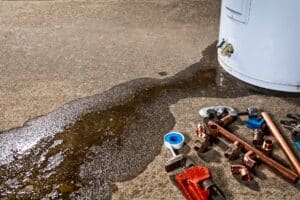
Moisture around the base of the tank or visible water heater leaking at the bottom points to failure within the tank, usually due to corrosion that deteriorates the metal walls and allows water to escape through seams or fractures. While leaks from loose fittings and valves are often repairable, leaks from a corroded tank generally require replacement.
Banging, Popping, and Other Strange Noises
A water heater making noise usually indicates a layer of hardened sediment at the bottom of the tank. As water heats around the element, trapped steam bubbles rise through this layer, creating popping or banging.
Discolored Water
Brown, reddish, or cloudy hot water traces back to a rusty hot water heater tank. Anode rod replacement may resolve this problem, but discoloration that persists after replacing the rod or flushing the tank signals more significant tank corrosion.
Unpleasant Smells
Sulfur or rotten-egg odors in hot water may result from bacterial reactions inside the tank, especially in systems with low usage or aging components. These odors may also result from gas leaks, which are an immediate safety hazard that require emergency repairs.
High Energy Bills
A steady increase in utility costs without increased hot water heater usage connects to declining heater efficiency. Sediment buildup and worn components reduce efficiency and require the system to work harder to reach target temperatures.
Frequent Breakdowns
Repeated plumbing service calls for heating elements, valves, or controls suggest the system is reaching the end of its functional lifespan.
Repair vs. Replace: What’s the Right Choice?
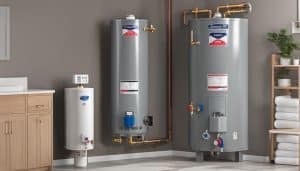
Deciding between repair and replacement depends on system age, condition, and performance. Repair makes sense for newer units with isolated issues, such as a faulty thermostat or heating element, especially if the tank is structurally sound and the heater otherwise operates efficiently.
Replacement may be a better option if your system is approaching or beyond its expected operating life. An aging system comes with declined performance, reliability, and efficiency, so increasingly frequent or costly breakdowns, climbing energy costs, or inconsistent hot water supply often make replacement a more cost-effective and practical solution than repair.
Why Your Water Heater Might Be Declining
Water heaters decline due to several contributing factors that affect mechanical wear on components and overall system strain:
- Aging components: Internal parts such as heating elements, thermostats, and valves lose efficiency as they age, resulting in less effective heating cycles and temperature swings.
- Undersized tank: A tank that can’t match household demand may need to replenish supply frequently, increasing stress on internal components and accelerating wear across the system.
- Sediment buildup: While most homes in Georgia don’t have hard water, sediment still builds up over time and settles at the bottom of the tank, insulating heating elements and forcing the system to work harder during each heating cycle.
- Corrosion: Tank linings deteriorate as they age, allowing rust to form inside the tank and fittings, weakening structural integrity.
- Neglected maintenance: Neglecting tank flushes, inspections, anode rod replacements, and other periodic maintenance allows minor issues to compound.
Benefits of Replacing an Aging Water Heater
Although water heater replacement is an investment, it comes with several benefits for performance and long-term costs:
- Consistent hot water supply and enhanced comfort: A properly sized, modern unit maintains steady temperature output and meets household usage patterns without interruption.
- High efficiency and lower energy bills: High-efficiency water heaters reduce energy consumption, reducing heating time and monthly utility costs.
- Improved reliability and safety: Newer systems incorporate modern safety controls, reinforced tanks, and updated pressure management that reduce failure risks, preventing water damage and interruptions to your hot water supply.
- Increased home value: A recently replaced water heater appeals to buyers, home inspectors, and appraisers.
When to Consider a Tankless Water Heater Upgrade
Some households may benefit from switching from a conventional tank unit to tankless water heaters that heat water on demand. Tankless units heat water as it flows through the system when you switch on a faucet or appliance. This means you don’t have to depend on a storage tank’s capacity to match your household’s hot water demands.
Tankless water heaters also have a small footprint and can fit under cabinets, in closets, and other compact areas. Since they heat on demand rather than keeping an entire tank warm, they don’t lose efficiency through standby heat loss and can provide up to 34% more energy efficiency. They may have limited flow rates compared to tank units, however, and some homes require multiple units to adequately supply each space. Consider these factors when choosing a tankless water heater:
- Home size
- Total hot water demand or flow rate
- Fuel type
- Energy efficiency and ENERGY STAR certification
Professional Water Heater Evaluation & Replacement
Water heater replacement in Georgia requires a thorough professional evaluation. Chen Plumbing provides comprehensive inspections, personalized recommendations, and precise installation. As a top-rated company serving Georgia homeowners, we bring local expertise and a reputation built on professionalism and integrity to every water heater replacement.

Schedule Your Water Heater Replacement with Chen Plumbing Today
If your water heater shows signs of decline or no longer meets your household’s needs, Chen Plumbing provides clear guidance, reliable workmanship, and long-term solutions. Contact us at Chen Plumbing to schedule a professional evaluation and discuss replacement or tankless upgrade options.