

One minute you’re enjoying a warm shower, and the next you’re scrambling to rinse off before the water turns cold. It’s frustrating, uncomfortable, and a sign that something’s wrong with your water heater. Your hot water shouldn’t run out this fast.
If you’re consistently running out of hot water too fast, Chen Plumbing can help you identify and fix the underlying hot water heater problem. Whether it’s sediment buildup, a faulty heating element, or simply an undersized tank, understanding why your hot water runs out quickly is the first step toward a solution.

How Your Water Heater Supplies Hot Water
Traditional tank water heaters store a specific volume of hot water (typically 30 to 80 gallons) and keep it heated to your set temperature. When you turn on a hot water tap, heated water flows out from the top of the tank while cold water enters at the bottom to be heated.
The heating process takes time. If your household uses hot water faster than the heater can warm up new water, you’ll experience temperature drops or run out completely. Gas water heaters generally recover faster than electric models, but both can struggle when demand exceeds capacity or when the system isn’t functioning properly.
The Most Common Reasons You’re Running Out of Hot Water Too Fast
If you’re running out of hot water too fast, several factors could be at play.
Your Water Heater Tank is Too Small for your Household
Many metro Atlanta families simply outgrow their water heater. If you’ve added family members or developed different water usage habits, your existing tank might no longer supply enough volume. Getting the right water heater tank size for your specific needs can prevent ongoing frustration.
Sediment Buildup in the Water Heater Reduces Efficiency
Many households in Georgia face moderate mineral content in their water supply. The sediment buildup in water heater tanks acts as insulation between the heating element and the water, making your heater work harder and reducing your available hot water supply.
Heating Elements are Faulty or Worn
Electric water heaters use heating elements to warm the water. When these components fail, it becomes obvious that your water heater is not keeping up with demand. The result is lukewarm water issues or hot water that doesn’t last.
Thermostat Problems Create Temperature Issues
A malfunctioning thermostat might set the temperature too low or fail to properly signal the heating elements. This explains why you might have plenty of water volume but can’t get it hot enough.
The Dip Tube has Failed
The dip tube directs incoming cold water to the bottom of the tank, where it gets heated. When this tube breaks, cold water mixes with hot water at the top, leaving you with no hot water in the shower, even when the tank is full and the heating elements work fine.
The Water Heater is Losing Heat Through Poor Insulation
Older water heaters or tanks in unheated spaces lose heat to their surroundings. In Georgia’s cooler months, the water heater has to work constantly just to maintain temperature, reducing the amount of hot water available.
How To Fix Hot Water Supply Problems
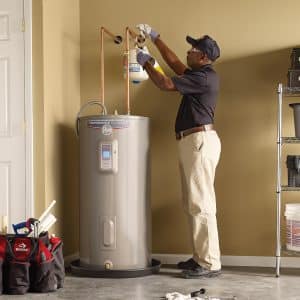
The right solution depends on what’s causing your hot water heater problems in the first place. Here’s how we approach different scenarios when providing plumbing services to metro Atlanta homeowners:
- Flush the tank to remove sediment: Regular flushing removes accumulated minerals and restores heating efficiency.
- Replace worn heating elements and thermostats: New components restore your system to full function, usually costing much less than full replacement.
- Install a larger-capacity tank: If your household has outgrown your current tank, upgrading to a large-capacity tank can solve the problem.
- Repair or replace the dip tube: A new dip tube can effectively resolve that frustrating lukewarm water problem.
When a Water Heater Repair Isn’t Enough
Sometimes, water heater repair can restore your hot water supply. Other times, replacement makes more sense. Age plays a significant role in this decision. Traditional tank water heaters typically last 10 to 15 years with proper maintenance. If your unit is approaching or has passed this range and is experiencing problems, ongoing repairs often become a pattern rather than a solution.
Multiple simultaneous issues also suggest replacement makes better financial sense. If you’re dealing with a leaking tank, failed heating elements, and sediment buildup all at once, the cost of repairs might approach the cost of a new, more efficient system. A leaking tank requires immediate replacement because the structural integrity has likely failed.
Rising energy bills indicate your water heater is working inefficiently, even if it still produces hot water. Newer models offer significantly better energy efficiency, which means lower utility costs that help offset the replacement investment over time. When we perform water heater repair in Georgia homes, we’re honest about whether repair or replacement serves your best interests.
Should You Upgrade to a Tankless Water Heater?
If you’re tired of running out of hot water, tankless water heaters might solve your problem for good. These systems heat water on demand rather than storing it, so you’ll never run out when multiple people need hot water at the same time. Tankless units last longer than traditional tanks, take up much less space, and can reduce energy costs by up to 34%.
Tankless water heaters cost more to purchase and install than traditional tank water heaters, but the energy savings, longer lifespan, and convenience often justify the investment.
Preventing Hot Water Problems With Regular Maintenance
You can avoid many hot water heater problems with routine maintenance. Annual flushing by our professional plumbers removes sediment before it becomes a major issue. We also check the pressure relief valve, inspect the anode rod, and test heating elements during maintenance visits.
Pay attention to warning signs between maintenance visits. Strange noises, such as popping or rumbling, indicate sediment buildup in water heater tanks. Rusty water suggests corrosion inside the tank. Fluctuating water temperatures mean thermostat or heating element problems. Addressing these issues early prevents complete system failure.

Schedule Hot Water Heater Service With Chen Plumbing
Since 1998, Chen Plumbing has provided expert water heater diagnostics, repair, and installation throughout the metro Atlanta area. Our Navien-certified technicians bring three generations of experience to every service call, and we’re available 24/7 for emergencies. Whether you need a simple repair, a tank replacement, or a tankless upgrade, we’ll assess your situation honestly and recommend the solution that best serves your needs.
If your hot water runs out quickly or there’s no hot water in the shower, we can diagnose the problem and restore your comfort. Get a quote for your water heater service today.