
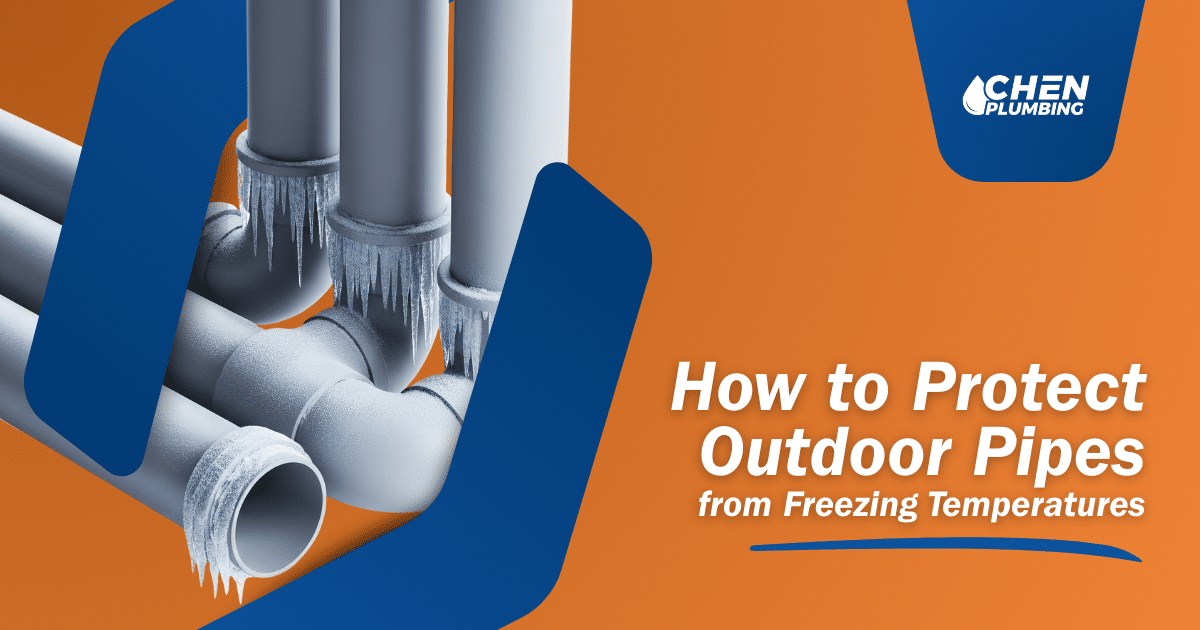
In Atlanta, winter weather may shift quickly from mild temperatures to overnight freezes, leaving outdoor pipes exposed and vulnerable to harsh conditions. When temperatures drop, water inside outdoor lines begins to freeze and expand, stressing pipe walls and sometimes causing cracks, leaks, and burst sections. Learning how to protect outdoor pipes from freezing and how to prevent burst pipes in winter allows homeowners to take proactive measures and respond promptly during urgent plumbing problems.
Why Outdoor Pipes Freeze Faster Than Indoor Pipes
While indoor pipes receive indirect warmth from heating systems and insulation within walls and ceilings, outdoor plumbing lines lack these protections. Pipes are vulnerable to freezing when temperatures reach 32 degrees Fahrenheit or less, and colder temperatures correspond to even faster freezing — pipes may take a day to freeze in mild winter conditions, but severe cold can cause pipes to freeze in just a few hours.
Since outdoor pipes experience harsher conditions than indoor lines due to consistent exposure to cold air and wind, they’re likely to freeze more quickly. Temperature swings cause pipes to cool quickly, particularly during overnight freezes when heat from the ground and structures dissipates rapidly into the air. Strong gusts of cold air also increase wind chill and significantly reduce the ambient temperature around outdoor pipes.
Common Outdoor Plumbing Areas That Freeze
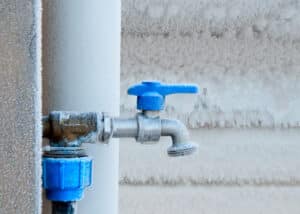
While outdoor plumbing components are generally at risk of freezing, certain areas or parts are more likely to freeze, often due to placement and usage. For example, seasonal plumbing equipment, such as irrigation systems and pool lines, is especially vulnerable because it’s easy to overlook once colder weather arrives. Identifying these locations early allows homeowners to take action before temperatures drop:
- Exterior hose bibs and spigots
- Pipes supplying outdoor faucets
- Irrigation and sprinkler system lines
- Pool supply and return lines
- Outdoor kitchens and bar sinks
- Exposed shutoff valves and backflow preventers
How to Keep Outdoor Pipes from Freezing
If freezing temperatures are in the immediate forecast, strategic preparation can help lower the risk of ice forming inside your plumbing lines. Use these tips to protect your pipes from freezing and reduce the likelihood of an emergency call during cold snaps:
- Disconnect garden hoses and store them indoors to prevent trapped water from freezing inside the faucet.
- Shut off the water supply to outdoor faucets at dedicated shutoff valves.
- Drain remaining water from outdoor lines after shutting off the supply.
- Cover outdoor faucets with insulating equipment.
- Use pipe insulation for outdoor pipes to provide a barrier against the wind and cold.
- Keep garage doors closed during cold weather to prevent cold air from entering the garage and warming the nearby plumbing.
- Winterize and drain irrigation systems.
Should You Let Outdoor Faucets Drip?
You can leave your outdoor faucets dripping during cold weather, but only to a certain point. Allowing them to drip may prevent outdoor faucets from freezing, since running water is less likely to freeze compared to stagnant water. Continuous flow also relieves pressure inside the pipe as water freezes and expands.
When the temperature is around freezing for a few hours or a day, drips are at low risk of freezing. However, leaving the faucet dripping during periods of severe or prolonged cold may increase the risk of freezing. In this case, it’s better to protect your faucet by draining and covering it.
Warning Signs Your Outdoor Pipes Are Freezing
Warning signs may appear before your outdoor pipes freeze or burst. By recognizing these warnings, you can act before damage escalates, reducing the likelihood of a ruptured pipe, water damage, and costly repairs. Watch for these signs:
- Reduced or no water flow from outdoor faucets: Water may trickle, sputter, or stop entirely, which often indicates ice restricting flow inside the pipe.
- Frost buildup or visible ice on exposed pipes: Frost or ice forming on the pipe surface means that temperatures around the line have dipped low enough to freeze the water inside.
- Unusual noises: Whistling or knocking when turning on faucets happens when ice narrows the pipe opening and disrupts normal water movement.
- Water spots or leaks: Damp areas near outdoor plumbing suggest small cracks forming as ice expands, stresses the pipe, and thaws.
- Bulging or cracked pipes: Visible swelling indicates internal pressure from frozen water pushing outward against the pipe walls.
- Strong sewer or metallic smells: Odors near outdoor plumbing signal trapped water or pipe damage caused by freezing conditions.
What to Do If Your Outdoor Pipes Freeze
If your exterior pipes freeze, prompt action minimizes stress on your plumbing system and reduces the chance of cracked pipes. Follow these steps to safely and quickly respond to frozen outdoor pipes:
- Step one: Shut off the main water supply to reduce internal pressure.
- Step two: Keep affected faucets open to allow melting ice to release pressure.
- Step three: Apply gentle heat using warm towels, space heaters, or hair dryers. Starting close to the faucet and working toward the supply line. Avoid open flames, torches, or high-heat devices.
- Step four: Call a licensed plumber if your pipes are inaccessible, show bulging or cracking, or fail to thaw.
Long-Term Solutions to Prevent Frozen Outdoor Pipes
Long-term preventative strategies against frozen pipes involve improving pipe insulation and seasonal preparation. Try these long-term solutions:
- Insulated outdoor pipes: Adding permanent pipe insulation helps retain heat around exposed lines, often by 3 to 4 degrees.
- Install frost-free faucets: Upgrading to frost-free faucets moves the shutoff point inside your home, keeping water away from freezing temperatures
- Upgrade your home’s insulation: Upgrading insulation in attics, basements, and crawl spaces and improving air sealing stabilizes temperatures near exterior plumbing lines.
- Check your thermostat settings: Using a programmable or smart thermostat, set your home’s temperature to at least 60 degrees when you’re away rather than turning heating off altogether.
- Schedule plumbing inspections: Annual plumbing inspections identify and address vulnerabilities before freezing temperatures arrive.
Schedule Outdoor Freeze Protection For Pipes With Chen Plumbing
At Chen Plumbing, we understand how Atlanta’s weather patterns affect outdoor plumbing and tailor winterization strategies to local conditions. Our team provides inspections, outdoor pipe repair, and other services to winterize outdoor plumbing and prevent frozen outdoor pipes before temperatures drop. Contact us today to schedule services early and protect your pipes throughout the winter.