When you face standing water, slow drains, and persistent clogs, professional drain cleaning can restore flow to your plumbing system and sewer lines. There are a few methods to choose from, and neither is necessarily better than the other — instead, the right choice depends on your plumbing system and its specific problems.
Understanding the differences between hydro jetting versus drain snaking can help you choose the right strategy to eliminate blockages, prevent recurring problems, and keep your fixtures draining as they should.
What Is Drain Snaking?
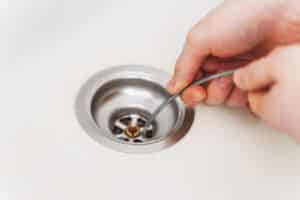
Drain snaking uses a flexible metal cable, often called a plumber’s snake or auger, to dislodge obstructions inside a pipe. A plumber feeds the rotating cable into the drain until it reaches the blockage, and the spinning head either breaks the debris into smaller pieces and pushes it down the system or hooks on and retrieves it.
This method works well for targeting specific obstructions and localized clogs in showers, sinks, bathtubs, and toilets. For more stubborn obstructions or deeper blockages in the line, your plumber may use a motorized or electric snake.
What Is Hydro Jetting?
Hydro jetting uses high-pressure water to scour the interior of plumbing pipes and remove debris. Professionals feed a specialized hose with a multi-directional nozzle into your plumbing lines, where it sprays water at high pressure to remove grease, sludge, mineral scale, and compacted debris. In addition to scouring the interior walls of pipes, hydro jetting can break up tree roots and other stubborn obstructions.
By removing buildup and obstructions, this method restores the pipe’s diameter, improving drainage throughout the system and minimizing the risk of recurring clogs. Plumbers often use hydro jetting services in Georgia for main sewer lines and heavy buildup in main lines that affect multiple fixtures.
Key Differences Between Hydro Jetting and Drain Snaking
Drain snaking and hydro jetting are both capable of addressing clogs, but they differ in how they work and the specific problems they fix. Understanding the differences between a drain snake versus a hydro jet allows you to choose the ideal sewer line cleaning methods for your drains. Consider these key differences between hydro jetting and drain snaking:
- Unclogging method: Drain snaking uses mechanical force from a rotating cable to break up or retrieve blockages. Hydro jetting uses high-pressure water to cut through and flush debris.
- Scope of cleaning: Snaking focuses on a specific obstruction to restore water flow. Hydro jetting eliminates obstructions and cleans scale and sludge from the interior of the pipe.
- Cost: Hydro jetting costs are usually higher than drain snaking, but it’s needed less frequently.
- Ideal applications: Snaking works well for quickly clearing minor, isolated clogs. Hydro jetting handles heavy grease, sludge, and tree roots.
- Long-term effectiveness: By removing buildup, hydro jetting provides longer-lasting results than drain snaking.
- Equipment and preparation: Both approaches use specialized equipment, but professional drain snaking is often faster to set up, while hydro jetting requires more thorough inspection and preparation.
When Drain Snaking Makes Sense
Drain snaking is well-suited to scenarios involving a single fixture with a slow drain or backup. Capable of handling minor to moderate clogs, drain snaking can remove common obstructions like soap scum, food, and hair, which are most likely to clog branch lines. Since this process is straightforward and fast, it’s a good solution for most emergency clogged drain repairs when the priority is restoring flow.
When Hydro Jetting Is the Better Option
Hydro jetting is suitable for addressing severe blockages and buildup that snaking can’t resolve. If your drains experience recurring clogs and require snaking more frequently, there may be grease, sludge, or scale coating the inside of the pipe, or tree roots blocking wastewater flow.
In addition to recurring clogs, look for these signs that you might need hydro jetting:
- Backups across multiple fixtures
- Noisy or gurgling pipes
- Slow drains
- Unpleasant odors from drains
Since hydro jetting provides comprehensive cleaning, it’s the preferred option for long-term performance. Although hydro jetting has higher upfront costs than drain snaking, it can be more cost-effective by preventing recurring issues and repeated service calls. Many homeowners also schedule hydro jetting as periodic preventative maintenance and protection against potential clogs or backups. A plumber can assess your system and provide tailored recommendations for your home.
Is Hydro Jetting Safe for Older Pipes?
Hydro jetting is a reliable solution for most plumbing systems, including those with older pipes. The safety of this method depends on the pipe’s condition — if your pipes are older but in good shape, they can likely withstand hydro jetting, but damaged pipes may not withstand high-pressure water. Older pipes may be made from materials that are more likely to become brittle or corrode, such as Orangeburg, clay, or cast iron, but a plumber can inspect them and provide professional guidance.
To prevent damage to your pipes, professionals perform sewer camera inspections to identify the source of clogs and assess the pipe material and structural integrity, which helps inform their drain-cleaning service recommendations. During these inspections, a plumber feeds a small, waterproof camera into the line to examine your pipes and check for cracks, corrosion, or collapsed sections. If the pipes are sagging or damaged, your plumber may recommend alternative solutions instead of jetting. If they’re structurally sound, your plumber will confirm that hydro jetting is safe.
Preventing Future Drain and Sewer Clogs
By practicing proper disposal habits and addressing problems proactively, homeowners can avoid major sewer backups and emergency repairs. Try these strategies to prevent future drain and sewer clogs:
- Avoid pouring grease, oil, or food scraps down kitchen drains.
- Install drain strainers in sinks and showers to catch hair and debris.
- Besides toilet paper, don’t flush paper products or garbage.
- Flush your sink drains with baking soda and white vinegar monthly to reduce buildup.
- Schedule routine inspections for older sewer lines.
- Book professional cleaning when you notice recurring slow drains or clogs.
Schedule Professional Drain Cleaning with Chen Plumbing
If you experience slow drains, persistent clogs, or backups, your plumbing is likely in need of professional drain cleaning. Serving Norcross and other Metro Atlanta communities, Chen Plumbing offers both drain-snaking service and hydro-jet drain cleaning, providing comprehensive inspections and targeted, long-lasting solutions. Contact us to schedule a professional evaluation and restore proper flow to your drains.