
From Norcross to the beautiful community of Duluth, many Georgia homeowners lose hot water at some point in their lives. If you’ve ever asked, “Why am I running out of hot water?” it could be due to several reasons. The experienced team at Chen Plumbing has some helpful tips and information about why you may keep running out of hot water, how to fix it, preventative measures to take for the future, and more.
How Your Water Heater Works (And Why It Matters)
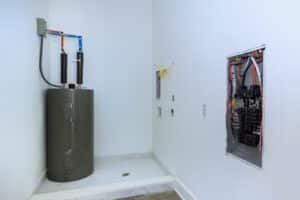
First, it’s important to understand how your water heater works and why that matters if your hot water runs out fast. Most modern water heaters are either traditional tank-style models that use electricity or natural gas to heat stored water, or they are tankless models that don’t require a storage tank and heat water on demand.
Tank Water Heaters
Traditional tank water heaters work when cold water enters the bottom of the tank through a dip tube that forces the new water to the bottom. A heating source, either an electric heating element or a gas burner, heats the stored water. The water is drawn from the top of the tank whenever hot water is needed and replaced with cold water in the tank. A thermostat at the tank maintains the water at a pre-set temperature, heating the cold water as it fills to replace the lost hot water.
Tankless Water Heaters
Tankless water heaters also use either electric elements or a gas burner, but they only heat the water when it’s needed. A sensor triggers the heating mechanism when you turn the hot water on. As the water flows through the heat exchanger, it’s heated to the set temperature “on demand.” This eliminates standby heat loss and also provides your entire home with hot water on demand.
Top Reasons You Keep Running Out of Hot Water
If you’re running out of hot water quickly, there may be several reasons why this occurs. Here are some of the top reasons why you may experience cold or lukewarm water issues.
Sediment Buildup Inside the Tank
Excess sediment from minerals and particles can build up inside your tank over time. Eventually, this leads to a reduction in efficiency, lower water pressure, and less (or no) hot water. Ultimately, sediment buildup will cause component corrosion, leading to complete failure.
Undersized Water Heater for Household Demand
Another common cause of water heater issues is when your current water heater is too small to keep up with household demand. When this happens, the water heater can’t produce hot water fast enough, leading to issues like no hot water in the shower during peak times.
Failing Heating Elements or Burner Issues
If your hot water tank is not heating enough, it could come down to something as simple as failing heating elements or burner issues. When your water heater is not keeping up with demand, consider scheduling an inspection to confirm that there are no issues with these components.
The Thermostat is Set Too Low
A very simple explanation for a water heater losing heat is that the thermostat is set too low. Ideally, your water heater’s thermostat should be set to between 120 and 150 degrees Fahrenheit.
Broken Dip Tube
One important component of a tank-style water heater is the dip tube. If this part is broken, cold water mixes with hot water at the top of the tank, rapidly decreasing your hot water supply. Plastic particles coming from your faucets are another sign of a malfunctioning dip tube.
Leaks Reduce Tank Efficiency
A water heater leak is a serious problem that could cause major damage to your home. This is a costly issue that can also reduce tank efficiency. Leaks also force your water heater to work harder, reducing energy efficiency and increasing your monthly water and utility costs.
High Hot Water Usage Times
If you have a large household, you may not get hot water when everyone is using it at the same time. When someone is taking a shower, another is doing laundry, and another is running the dishwasher, there might not be enough hot water in the tank to go around.
How to Fix Hot Water Supply Problems
Now that you know some of the most common causes of no hot water, here are some ways you can fix the problem:
- Flush the tank
- Replace the thermostat or heating elements
- Adjust temperature settings
- Repair or replace dip tubes
- Fix pressure issues
- Schedule a professional inspection
When It’s Time to Replace Your Water Heater
So, how long do water heaters last, and when should you replace yours? Here are some signs that it’s time to replace your water heater:
- Your current water heater is 10 years old or older
- You notice discolored or smelly water
- There are visible signs of leaks, rust, or corrosion
- You’ve noticed a significant increase in your water and/or energy bills with no change in usage
- Your water heater is making unusual noises like screeching, hissing, or banging
Should You Upgrade to a Tankless System?
There are many reasons to upgrade to a tankless water heater, but the most significant one is that they provide noticeable energy savings. These compact, energy-efficient water heaters don’t require a storage tank, so there’s no need to worry about leaks, either. If you have a large household, need a consistent supply of hot water on demand, and want to save space and money, upgrading to a tankless system is a smart choice. Hot water recirculation systems are another option that is similar to a tankless water heater.
Water Heater Maintenance to Prevent Future Issues
Follow these maintenance tips to prevent you from needing urgent water heater repair near me in the future:
- Flush and refill your tank at least once a year
- Schedule an annual inspection to make sure that everything is in good condition
- Consider upgrading your water heater now if it’s 10 years old or older
- Regularly test the relief valve, inspect the anode rod, and do a visual inspection to identify problems early

Schedule a Hot Water Heater Repair with Chen Plumbing Today
At Chen Plumbing, we provide comprehensive hot water solutions to fit your needs. Our expert plumbers will assess your Georgia home’s plumbing system and recommend the best solution for you. To find out more or to schedule water heater repair, contact us today!