
Introduction: Why Winter Pipe Protection Matters
Many metro Atlanta homeowners don’t think about how to prevent frozen pipes in Georgia until temperatures suddenly drop. While our winters are generally mild compared to those in northern states, unexpected cold snaps can catch you off guard and cause serious plumbing damage. When water freezes inside your pipes, it expands, creating pressure that can cause cracks, bursts, and significant water damage.
A little preparation to winterize your plumbing system goes a long way. By following a straightforward winter plumbing maintenance routine, you can protect your home from costly repairs and keep your water flowing smoothly all season long.
Understanding How Cold Weather Affects Plumbing Systems
Uninsulated or poorly insulated pipes may freeze when temperatures approach 32°F (the temperature at which water freezes), and risk increases significantly as temperatures fall below 20°F, especially during extended cold snaps. In areas like Norcross, Roswell, and Marietta, we sometimes experience these conditions during January and February cold fronts.
While metro Atlanta winters are generally mild, homes with pipes in unheated spaces or along exterior walls are at increased risk even if temperatures don’t drop far below freezing. The pipes most at risk are those in crawl spaces, attics, and exterior walls. Outdoor pipes, including your water main and sprinkler system lines, face even greater danger since they’re directly exposed to the elements.
Many homes in Georgia weren’t built with extreme cold in mind. This makes installing pipe insulation for cold weather and other preventive measures even more important.
Step-by-Step Winter Plumbing Checklist for Homeowners
Getting your home ready before the first freeze doesn’t have to be complicated. Following this winter plumbing checklist will help you winterize your plumbing system and avoid problems when temperatures drop.
Indoor Preparation
Start inside your home by addressing the most vulnerable areas. These simple steps protect pipes in unheated spaces and maintain warm air circulation.
- Step one: Insulate exposed pipes in basements, crawl spaces, and attics using foam pipe sleeves or heat tape.
- Step two: Seal any cracks or gaps in exterior walls where cold air could reach your pipes.
- Step three: Keep cabinet doors under sinks open on freezing nights to allow warm air to circulate.
- Step four: Set your thermostat to at least 55°F if you’re leaving town during winter.
- Step five: Know where your main water shut-off valve is located in case of emergency.
Outdoor Preparation
Your exterior plumbing needs special attention since it faces the coldest temperatures. Taking these steps protects outdoor pipes in winter and prevents freeze damage.
- Step one: Disconnect and drain all garden hoses from outdoor faucets.
- Step two: Shut off water to exterior spigots and drain the lines completely.
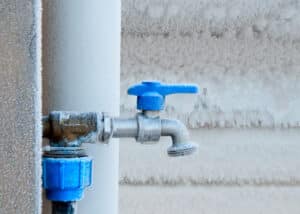
- Step three: Cover outdoor faucets with insulated faucet covers.
- Step four: Drain and winterize your sprinkler system if you have one.
- Step five: Check that your water heater is functioning properly and set to an appropriate temperature.
Additional Precautions
When severe cold weather arrives, a few extra precautions provide added protection. Consider these measures when temperatures are forecast to drop below freezing overnight.
- Let faucets on exterior walls drip at a pencil-lead thickness.
- Open garage doors periodically to let warm air reach any pipes in that space.
- Install a smart thermostat that alerts you if the temperature in your home drops too low.
Scheduling a professional inspection before winter helps catch potential issues early. A plumber can identify vulnerable pipes and recommend specific upgrades like commercial-grade insulation or heat tape, providing far better protection than standard DIY materials.
How To Identify Frozen Pipes and Early Warning Signs
Part of good plumbing maintenance for winter involves knowing what to watch for. Catching a frozen pipe early can help you avoid burst pipes in freezing temps and the extensive water damage that follows.
Signs your pipes may be frozen
Watch for these common indicators that water has frozen somewhere in your plumbing system.
- No water or only a trickle comes out when you turn on a faucet
- Unusual sounds like clanking or gurgling from your pipes
- Visible frost on exposed pipes
- Strange smells from drains or faucets, indicating trapped sewage from a frozen drainpipe
- Sudden water pressure drop throughout your home
Signals of an Impending Burst Pipe
These warning signs suggest that damage or dangerous pressure may already be present in a frozen pipe. Immediate action is necessary to prevent catastrophic failure and burst pipes. The difference between a frozen pipe and a burst pipe can be only a matter of hours.
- Small leaks or moisture around pipes
- Bulged or cracked pipe appearance
- Banging sounds inside your walls
- Water stains on walls or ceilings near pipe locations
What To Do If Your Pipes Freeze
Discovering a frozen pipe can be stressful, but staying calm and acting quickly makes all the difference. Here’s how to thaw frozen pipes safely without causing additional damage.
- Step one: Turn off the main water supply to prevent flooding if the pipe has already cracked.
- Step two: Open the faucet connected to the frozen pipe to relieve pressure and allow water to flow once the ice starts melting.
- Step three: Apply gentle heat to the frozen section using a hairdryer, heating pad, or warm towels. Never use open flames or other high-heat sources, as these can damage pipes and create fire hazards. Start from the faucet end and work backward toward the frozen area.
- Step four: Keep applying heat until full water pressure returns.
If you can’t access the frozen pipe, see visible damage, or smell gas, don’t attempt repairs yourself. Licensed plumbers have specialized equipment that can safely handle difficult situations.
Top Plumbing Services To Prevent Frozen Pipes
Professional services can winterize your plumbing system more thoroughly than DIY methods alone. Here’s what Chen Plumbing offers to protect your home.
- Commercial-grade pipe insulation and heat tape that provides superior protection compared to standard materials
- Installation of frost-proof outdoor faucets
- Relocation of vulnerable exterior pipes to more protected areas
- Whole-home repiping with modern materials that better resist freezing
- Pre-winter inspections to identify weaknesses in your system
For more comprehensive solutions, our exterior pipe repair services handle everything from minor fixes to complete line replacements.
Emergency Plumbing Help During a Freeze
Even with the best preparation, emergencies happen. Call immediately if you discover a burst pipe, see water spraying or pooling anywhere in your home, smell gas, or can’t locate a frozen pipe that’s preventing water flow. These aren’t situations to handle on your own.
Chen Plumbing offers 24/7 emergency services throughout the metro Atlanta area. When you call a plumber for frozen pipes, our experienced technicians arrive promptly with all the necessary equipment to diagnose the problem, safely thaw the pipes, repair any damage, and restore your water flow.

Schedule a Winter Plumbing Inspection with Chen Plumbing
Don’t wait until temperatures drop to protect your home. As a family-owned business with over 25 years of experience serving the metro Atlanta area, Chen Plumbing has helped thousands of homeowners prepare for winter and recover from freeze damage.
Contact us at 404-476-6537 to get a quote, or request service through our website. Protect your pipes before the next freeze and safely avoid burst pipes in freezing temps.