

Does Cold Weather Really Affect Sewer Lines in Atlanta?
Cold weather affects sewer lines in Atlanta, but not in the way you might expect. While colder climates may be more prone to frozen lines, Atlanta’s winter conditions tend to aggravate existing plumbing issues instead, such as:
- Sewer line blockages and buildup.
- Aging sewer lines.
- Challenging soil conditions.
Why Atlanta Sewer Lines Usually Don’t Freeze
Atlanta sewer lines usually don’t freeze because winters are generally mild and the surrounding soil helps insulate buried pipes. Plumbing in crawlspaces, exterior walls, and other unheated areas is more vulnerable to freezing than underground sewer lines.
Most local cold snaps are brief, making it less likely that frost will reach buried sewer lines. Pipe depth, exposure, and the duration of unusually cold weather still matter, so shallow or exposed sections may face greater risk.
How Colder Temperatures Can Make Existing Sewer Clogs Worse
Although the pipe itself may not freeze, cooler conditions can affect the waste and debris inside sewer lines. Liquid cooking oils and fats poured down drains can congeal and harden on pipe walls, narrowing the passage before winter even arrives. Lower temperatures can encourage this grease to solidify and contribute to an existing blockage.
Holiday cooking is another source of cooking oils, meat fats, and dairy products that can accelerate buildup. Large meals, guests, and more time at home also increase plumbing use. Food waste, soap scum, and other debris can become trapped in the grease lining the pipes.
Why Older Clay and Cast-Iron Sewer Lines Need Extra Attention
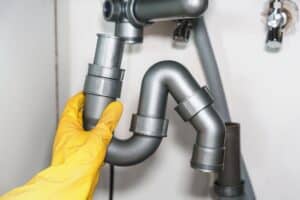
Some historic and mid-century homes in Atlanta still rely on older clay or cast-iron sewer lines. These materials can last 50 years or more, depending on installation quality, soil conditions, maintenance, and other factors. Age alone does not mean a line needs replacement, but older pipes deserve attention when recurring problems develop.
Older clay pipes are rigid and brittle, and cracks or separated joints can make them vulnerable to tree root intrusion. Tree roots may also enter openings in deteriorated cast-iron pipes or their joints. Scale buildup, corrosion, and root intrusion can restrict flow, while significant deterioration may compromise a line’s structural integrity.
How Changing Ground Conditions Can Affect Aging Sewer Lines
Much of metro Atlanta has clay-rich soil that can change volume as moisture levels fluctuate. Red clay can swell when saturated by rain and shrink as it dries. These changes can shift the soil surrounding buried sewer lines and alter the support beneath them.
Repeated swelling and shrinking can place stress on aging pipes and joints, especially where a line is already cracked, poorly supported, or deteriorated. Over time, soil movement may contribute to misaligned joints, sagging sections, or further damage to weakened pipes. This moisture-driven movement can occur without the ground freezing to sewer line depth.
Warning Signs of a Winter Sewer Problem
Call on Chen Plumbing if you notice these signs of a winter sewer problem:
- Gurgling drains: Bubbling or gurgling noises from toilets or sinks when water is running elsewhere can indicate a blockage or another drainage or venting issue.
- Multiple slow drains: A single slow drain may be a localized issue, while standing water or clogs across several fixtures can indicate a blockage deeper in the main line.
- Recurring backups: Wastewater repeatedly backing up into tubs and showers is a major warning sign and can create an immediate sanitation concern.
- Sewage odors: Persistent sewer smells may point to a drainage problem, a damaged pipe, or another issue that needs investigation.
- Unusually wet areas outside: A patch of your yard that remains wetter, muddier, or lusher than surrounding areas could indicate an underground wastewater leak.
When Exposed Plumbing Can Freeze in Atlanta
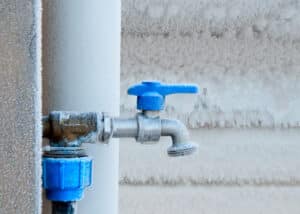
Exposed plumbing can freeze when temperatures stay below freezing for an extended period, especially in the 20s. There is no single temperature-and-time threshold that applies to every pipe. Insulation, air movement, pipe location, and access to indoor heat all influence the risk.
- Unheated areas: Exposed pipes in crawlspaces, attics, basements, and garages may be more vulnerable to freezing.
- Exterior walls: Pipes inside poorly insulated exterior walls can be exposed to colder conditions, particularly in older homes.
- Vacant homes: Turning off the heat or setting it too low can leave plumbing vulnerable during a prolonged cold spell.
If your pipes freeze, Chen Plumbing provides 24/7 emergency plumbing support.
How Sewer Camera Inspections Find Hidden Problems
Sewer camera inspections help uncover problems inside underground lines. At Chen Plumbing, we use specialized sewer cameras to evaluate visible pipe conditions and locate issues such as grease blockages, tree roots, and damaged sections.
Based on our findings, we recommend targeted solutions such as sewer drain cleaning, hydro jetting, or sewer line repair. The appropriate option depends on the blockage and the condition of the pipe. Contact Chen Plumbing to schedule a sewer line inspection and investigate recurring drain problems.
How to Reduce Your Risk of Winter Sewer Problems
Use these tips to reduce the risk of winter sewer problems in Atlanta:
- Dispose of grease properly: Collect cooking grease and oils in an appropriate container, allow them to cool, and dispose of them in the trash rather than down the sink.
- Scrape away food scraps: Remove food scraps from dishes before rinsing them.
- Use drain screens: Add strainers to drains to catch debris, and clean them regularly.
- Protect exposed plumbing: Insulate vulnerable pipes in unheated areas. Ask a plumber whether additional freeze protection is appropriate for your setup.
- Address recurring drainage problems: Schedule an inspection if you have repeated clogs, slow drains, or backups rather than waiting for a complete blockage.
Learn about the Win With Chen! Plumbing Membership and its plumbing inspection, drain cleaning, and priority service benefits.
Frequently Asked Questions About Winter Sewer Problems
Can Sewer Lines Freeze in Atlanta?
Buried sewer lines are generally less vulnerable to freezing because the surrounding soil provides insulation. Shallow or exposed sections may face greater risk during prolonged freezing weather.
How Does Atlanta’s Red Clay Affect Sewer Lines?
Clay-rich soil can swell when wet and shrink as it dries. This movement can change the support around buried sewer lines and stress pipes or joints that are already weakened.
How Long Do Clay and Cast-Iron Sewer Lines Last?
Clay and cast-iron sewer lines can last 50 years or more. Their condition depends on installation, soil movement, corrosion, root intrusion, and maintenance, so an inspection is more useful than age alone when evaluating repair needs.
When Can Exposed Pipes Freeze?
Exposed pipes can freeze when temperatures remain below freezing for an extended period, especially in the 20s. The actual risk depends on insulation, exposure, airflow, and available heat rather than a fixed number of hours.
What Should I Do if Several Drains Back Up at Once?
Stop using plumbing fixtures and contact a plumber promptly. Multiple backups can indicate a main sewer line blockage. Avoid contact with wastewater and keep children and pets away from affected areas.
Schedule Sewer Line Service With Chen Plumbing
Serving the metro Atlanta area since 1998, Chen Plumbing is licensed, insured, and available 24/7. We offer financing options for qualifying sewer repair and replacement jobs.
If winter brings recurring clogs, sewage odors, or slow drains, contact Chen Plumbing for a quote or call 404-809-3213 to schedule service.