

1. Check Your Water Heater for Leaks and Corrosion
Start your fall water heater maintenance with a visual inspection. Look around the tank or cabinet, accessible pipe connections, and the floor beneath the unit. Moisture, rust streaks, or water collecting in the drain pan deserve attention.
Both tank and tankless water heaters can develop leaks. Water near a storage tank may come from a connection, valve, or the tank itself, so identifying the source matters before deciding on a repair.
- Look for damp spots or puddles beneath the unit.
- Check accessible connections for dripping or corrosion.
- Notice whether moisture returns after the surrounding area dries.
- Keep the area accessible so a plumber can inspect the equipment.
If you notice a possible leak, contact Chen Plumbing for an inspection before the damage spreads. Avoid touching wet electrical components or opening equipment panels.
2. Have Tank Sediment Evaluated and Flushed When Needed
Sediment can collect inside a storage water heater over time. Depending on the amount and the equipment, buildup may contribute to noise, reduced performance, or additional wear. Your manufacturer’s guidance, service history, and water conditions help determine when flushing is appropriate.
Older plumbing can also contribute rust or debris, but pipe age alone does not establish whether your water is hard. If you repeatedly notice discolored water or sediment at fixtures, a professional evaluation can help distinguish a water heater issue from a broader plumbing problem.
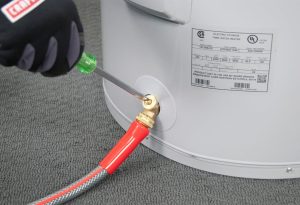
Flushing involves hot water, equipment shutdown procedures, and proper refilling before power is restored. Have a plumber assess the unit, especially if its maintenance history is unknown or its drain valve appears corroded. Chen Plumbing’s plumbing inspections can also help investigate recurring water quality concerns.
3. Have the Temperature and Pressure Relief Valve Checked
The temperature and pressure relief valve, often called the T&P valve, is a safety device on storage water heaters. It is designed to release water when temperature or pressure exceeds its operating limits.
During your visual check, look for moisture around the valve and its discharge pipe. Never cap, plug, or block the discharge opening. A dripping valve needs evaluation because the cause may involve the valve, excessive pressure, or another system issue.
Testing can release scalding water, and an older valve may fail to reseal afterward. Follow the manufacturer’s instructions and have a plumber handle testing if you are unfamiliar with the procedure or the equipment’s condition.
4. Ask About the Anode Rod and Other Wear Components
Many storage water heaters contain a sacrificial anode rod that helps protect the tank from internal corrosion. The rod gradually deteriorates as it performs that job. Its inspection and replacement schedule depends on the model, water conditions, and previous maintenance.
An anode rod does not prevent sediment buildup, and not every water heater uses the same corrosion protection system. Ask your plumber which components your model needs checked rather than assuming every unit requires identical service.
A maintenance visit is also an opportunity to inspect accessible connections, seals, and other components for wear. Leave internal inspections and replacements to a qualified professional.
5. Check Water Temperature and Everyday Performance
Think about how your hot water has performed recently. Does the shower cool sooner than it used to? Does the temperature fluctuate? Have you needed to adjust fixtures more often to stay comfortable?
You can carefully measure the delivered temperature using a suitable thermometer and a container at a nearby faucet. Keep your hands out of the hot water and follow the thermometer’s instructions. The temperature at a fixture may differ from the water heater setting because of mixing valves, pipe heat loss, or other conditions.
Record unexpected changes and share them with your plumber. Avoid raising the thermostat simply to compensate for declining performance, since hotter water increases scalding risk and may leave the underlying problem unresolved.
6. Include Tankless Water Heater Maintenance
Tankless water heaters need regular care even though they do not store a full tank of hot water. Depending on the model, service may include descaling the heat exchanger, cleaning an inlet screen, and inspecting accessible venting and connections.
Use the manufacturer’s schedule to determine maintenance frequency. Water hardness, household usage, and operating conditions can affect how often descaling is needed. Newer plumbing alone does not determine the right interval.
Make a note of error codes, temperature swings, or reduced hot water flow. A longer wait for hot water can also relate to pipe distance or recirculation issues, so a plumber should diagnose the cause before recommending service.
7. Watch for Signs Your Water Heater Needs Repair
Some problems should be addressed before your next routine maintenance appointment. Contact Chen Plumbing if you notice:
- New or persistent banging, popping, or rumbling noises.
- Rusty, discolored, or unusually smelling hot water.
- No hot water or a noticeable drop in available hot water.
- Repeated temperature fluctuations or error codes.
- Visible corrosion, active dripping, or pooling water.
- An unexplained increase in utility use alongside declining performance.
These symptoms can have several causes. Discolored water, for example, may originate in the water heater, household piping, or the incoming supply. A professional inspection helps identify the issue and determine whether maintenance or repair is appropriate.
8. Know When Maintenance May No Longer Be Enough
Maintenance can support dependable operation, but it cannot restore a leaking tank or eliminate every age-related problem. Repeated repairs, persistent corrosion, and difficulty meeting household demand are reasons to discuss replacement.
Age is one part of that decision. Your plumber should also consider the unit’s condition, repair needs, maintenance history, and your household’s hot water usage.
If replacement makes sense, review capacity and recovery needs before selecting equipment. Chen Plumbing can help you consider the right water heater tank size for your home and discuss suitable options.
Frequently Asked Questions About Fall Water Heater Maintenance
Why Is Fall a Good Time for Water Heater Maintenance?
Fall provides an opportunity to address leaks, performance changes, and overdue service before colder weather arrives. Colder incoming water requires more heating, which can make existing performance problems more noticeable.
How Often Should a Water Heater Be Serviced?
Follow your manufacturer’s maintenance schedule. An annual professional check is a useful planning point for many households, while individual tasks may have different intervals based on equipment type, water conditions, and usage.
Does Every Water Heater Need to Be Flushed Every Year?
No single flushing interval fits every unit. The manufacturer’s instructions, sediment levels, water conditions, and maintenance history should guide the decision. Have an older or previously unmaintained unit evaluated before attempting to drain it.
Do Tankless Water Heaters Need Descaling?
Tankless water heaters may need periodic descaling to remove mineral deposits from the heat exchanger. The required frequency depends on the model and water conditions. Follow the manufacturer’s guidance rather than relying on a universal schedule.
Can I Perform Water Heater Maintenance Myself?
Homeowners can visually check for leaks and track changes in hot water performance. Tasks involving draining, safety valves, internal components, electrical connections, or gas equipment require additional precautions and are best discussed with a qualified professional.
Does a Leaking Water Heater Always Need Replacement?
No. A leaking connection or serviceable valve may be repairable. A leak from the storage tank itself generally requires replacement. A plumber can locate the source and explain the appropriate next step.
Schedule Fall Water Heater Maintenance With Chen Plumbing
Prepare your Atlanta home for cooler weather with a water heater inspection from Chen Plumbing. Our team can evaluate leaks, investigate performance concerns, and recommend maintenance or repairs based on your equipment’s condition.
Request a quote from Chen Plumbing to schedule your next water heater service.