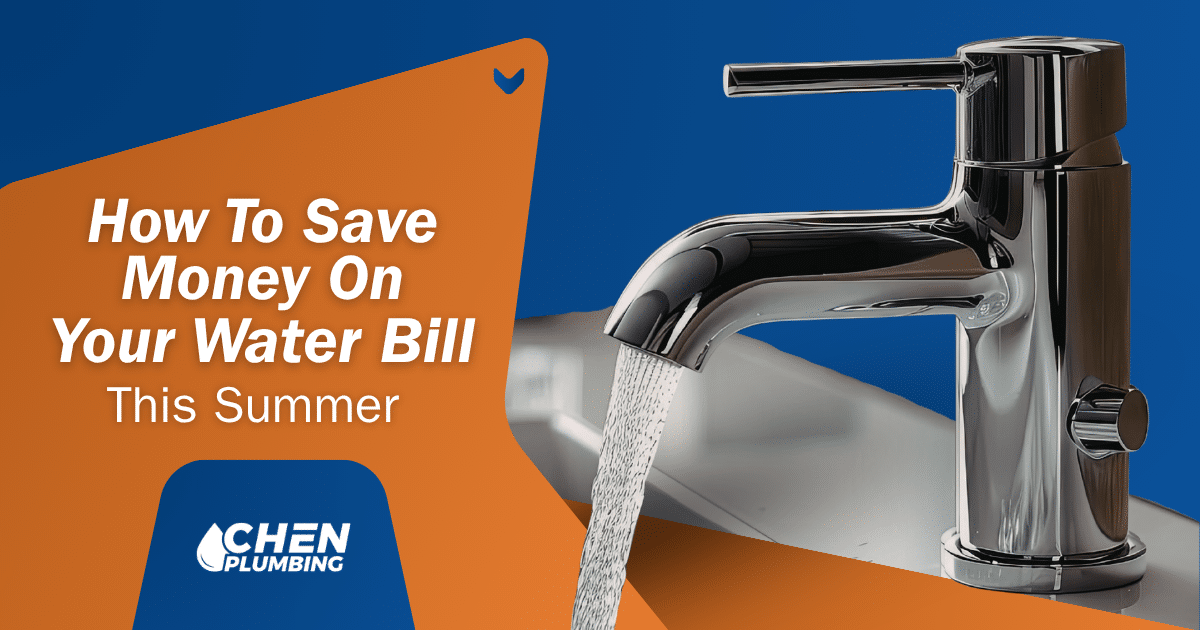
Many homeowners across Norcross, GA, and the greater Atlanta area are trying to save money on their water bill, especially during warmer months. In nearby historic communities like Peachtree Corners, Duluth, and Tucker, which are filled with houses built in the late 19th and 20th centuries and during the mid-century boom of the 1950s, seasonal spikes are often amplified by aging plumbing systems and increased outdoor water use.
Why Water Bills Increase During Summer
Norcross summers, with afternoon highs averaging 87°F to 90°F, mean more outdoor watering, longer showers, and more entertaining and outdoor activity, which adds up to more dirty dishes and laundry. Higher usage amplifies any existing inefficiencies, and even minor leaks or outdated fixtures can quietly inflate your monthly bill across several cycles before you notice.
Early detection is the most effective way to stay ahead of rising costs. If your water bill is climbing in Norcross or the greater Atlanta area, our licensed and insured plumbers can help. For homeowners looking to stay ahead of issues year-round, Chen Plumbing’s maintenance plan includes routine inspections, exclusive savings, and priority service — an especially valuable benefit during peak summer months when demand is high and wait times can increase.
Fix Hidden Plumbing Leaks Immediately
Hidden leaks are one of the most overlooked causes of high water bills. Older Norcross plumbing systems are especially vulnerable: aging copper, cast iron, and galvanized steel develop pinholes, rusted channels, and loosened joints over time. Georgia red clay soil compounds the problem, as its seasonal expansion and contraction put constant stress on underground pipes, allowing water to escape undetected for months. Leaks also commonly occur behind walls, under sinks, and in irrigation lines that homeowners rarely inspect.
Fixing leaks early stops waste at the source. Even a slow drip can waste thousands of gallons over a summer. Our Norcross-based team uses professional-grade leak detection to quickly identify hidden issues. If your water bill has increased without an obvious change in usage, schedule a plumbing inspection with Chen Plumbing. We can help track down hidden water loss before it leads to higher bills or more extensive damage.
Upgrade to Water-Efficient Fixtures
Installing water-efficient plumbing fixtures is one of the most reliable long-term strategies for saving money on water bills.
Low-flow toilets, faucets, and showerheads are designed to reduce water consumption without affecting performance. In many of these older homes with outdated plumbing materials, upgrades can reduce household water use by 20–30% or more. Over time, the reduced consumption adds up significantly, especially in households with multiple occupants or high daily water use.
Modern fixtures are also designed to maintain strong water pressure while using significantly less water per minute, making them a simple but impactful upgrade for most homes. If outdated faucets, toilets, or shower fixtures are wasting water, Chen Plumbing can help you identify practical upgrades that improve efficiency without sacrificing performance.
Reduce Outdoor Water Waste
Outdoor water use is one of the biggest contributors to higher summer bills. Irrigation systems, sprinklers, and hoses often run more frequently and less efficiently than homeowners realize.
Many households overwater lawns without knowing it. Adjusting watering schedules to early morning or evening hours can significantly reduce evaporation and improve efficiency.
The U.S. Environmental Protection Agency recommends limiting lawn watering to about one inch per week, including rainfall, and regularly checking systems for leaks or damage. Smart irrigation systems and weather-based controllers can further reduce unnecessary water use by automatically adjusting based on conditions.
If your irrigation system may be wasting water, our Atlanta-area technicians can inspect and optimize it for efficiency.
Improve Water Heater Efficiency
Water heaters play a larger role in water usage than many homeowners expect. Inefficient systems can waste both water and energy while waiting for hot water to reach fixtures.
Older units may also develop sediment buildup, which reduces efficiency and increases overall consumption. Improving system performance can reduce both water waste and utility costs.
In some cases, upgrading to a newer high-efficiency system can further minimize water loss and improve reliability.
Our licensed and insured plumbers provide prompt water heater diagnostics and repairs across Norcross and metro Atlanta, often with same-day availability. Call or schedule an inspection today to improve efficiency and reduce waste.
Monitor Your Water Pressure
High water pressure may feel beneficial, but it can significantly increase water consumption and strain your plumbing system.
Maintaining proper water pressure is especially important in Atlanta, where residential systems typically operate within a 40–60 PSI range for optimal performance. It extends the lifespan of pipes, appliances, and fixtures while improving overall system efficiency.
Pressure that creeps above 80 PSI can accelerate wear on valves, connections, and water-using appliances. Likewise, pressure below 20 PSI can signal underlying issues such as leaks, blockages, or problems with the water supply.
Because Atlanta’s water pressure can fluctuate due to aging infrastructure, mineral buildup, or seasonal demand changes, regular inspections are key. These checks help determine whether you need to make adjustments, repairs, or install a pressure-reducing valve to keep the system balanced and operating safely.
If you’re unsure about your home’s water pressure, book a pressure check with one of our experts. Our team can test and adjust it during a routine visit.
Smart Habits That Lower Water Usage
Small behavioral changes can make a noticeable difference in your monthly bill, including:
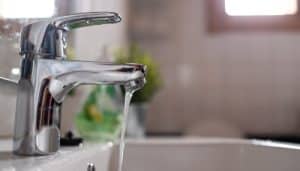
- Fixing dripping faucets promptly
- Running full loads in dishwashers and washing machines
- Turning off taps while brushing teeth
- Limiting long showers during peak summer heat
These simple changes help reduce overall consumption without requiring major upgrades. When combined across a household, they can lead to consistent, long-term savings.
For even better results, combine these habits with a professional inspection from the team at Chen Plumbing. Many homeowners also choose a maintenance plan to make this easy, with scheduled checkups, discounted services, and priority booking that help maintain efficiency and control costs over time.
When High Water Bills Signal a Plumbing Problem
If your bill increases suddenly without a change in usage, it may indicate a hidden issue, such as a leak or pipe failure.
In areas like Norcross and the greater Atlanta area, older neighborhoods with mature trees can introduce an added risk, as tree roots naturally seek moisture and can infiltrate small cracks in underground pipes. Over time, this root intrusion can expand, causing blockages, slow leaks, or even full pipe collapse.
Because these problems often occur in buried or exterior plumbing lines, they can go unnoticed for extended periods, allowing water loss and damage to continue.
Warning signs to watch for include:
- Damp spots
- Running water sounds when fixtures are off
- Reduced water pressure
- Unexplained spikes in monthly water usage when household habits remain consistent
When you ignore these signs, small issues can quickly escalate into major plumbing failures or hidden leaks that continuously drive up water usage. Minor pressure changes, or the occasional damp spot, can turn into significant underground water loss you never directly see but still pay for. Identifying the root cause and fixing these exterior lines early prevents unnecessary costs and avoids more extensive repairs later on.
Professional Plumbing Inspections Can Save You Money
Routine plumbing inspections are one of the most effective ways to identify inefficiencies and prevent rising water bills. These proactive checks can prevent recurring issues and reduce long-term water consumption.
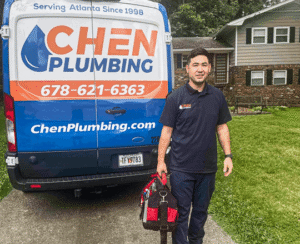
Chen Plumbing provides comprehensive home inspections in Norcross and the greater Atlanta area, helping homeowners detect leaks, evaluate fixtures, and optimize system performance. As a trusted, licensed, and insured plumbing company, we’re known for fast response times, honest recommendations, and no-surprise pricing.
Schedule a Plumbing Inspection with Chen Plumbing
Chen Plumbing delivers expert diagnostics and repair services across Norcross and the Atlanta area, helping homeowners implement practical solutions that reduce water usage and lower monthly bills.
With flexible scheduling, financing options, and a commitment to getting the job done right the first time, we make it easy to protect your home and your budget.
Call or text 404-814-5113, or book your next plumbing inspection online with Chen Plumbing today.